
Get Consultation
+86-15627367687
The Differences between Forming Tap and Ordinary Tap, and Precautions in the Machining Process
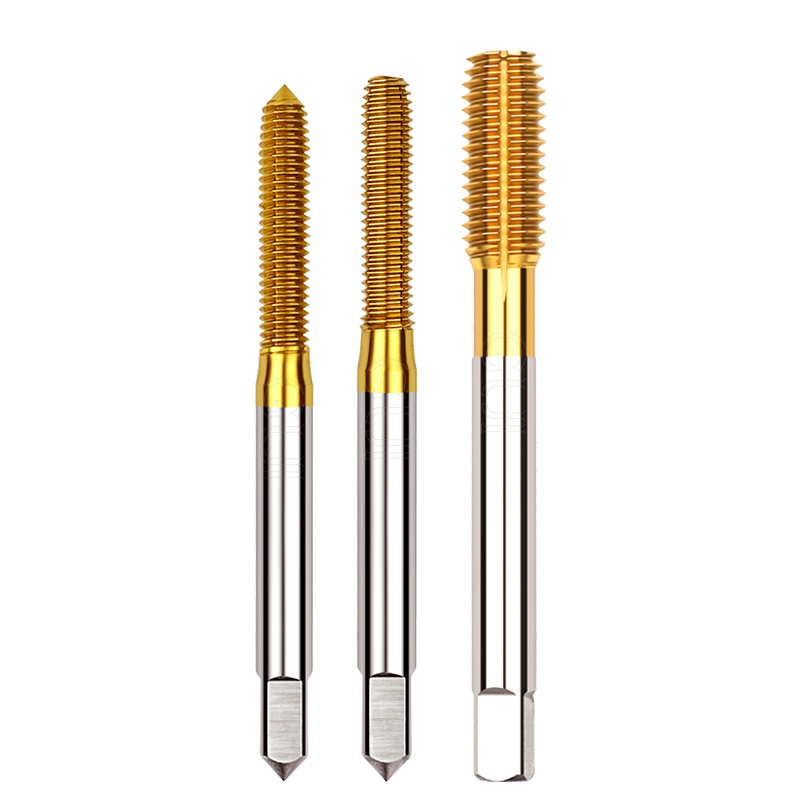
Extrusion tap (also known as roll tap) is a kind of tap that achieves thread forming through extrusion deformation. Compared with ordinary tap, this kind of tap has the characteristics of high efficiency, low cutting force, high thread accuracy, and excellent thread surface quality. In this article, we will discuss the differences between extrusion tap and ordinary tap, and the precautions that need to be taken in the machining process.
1. The differences between extrusion tap and ordinary tap
(1) Structure
The structure of the extrusion tap is different from that of the ordinary tap. The extrusion tap has a special screw head, which is composed of several sets of rolling wheels that rotate axially. The rolling wheels squeeze the metal material loaded with the tap, and the thread is formed by extrusion deformation. The ordinary tap, on the other hand, has a cutting edge at the tip of the tap, which removes chips and forms a thread by cutting the material.
(2) Cutting force
When machining using an extrusion tap, the cutting force is low, which means that the torque required to turn the tap is small, and less power is required from the machine. This avoids the risk of breaking the tap due to an excessively large cutting force and reduces the wear and tear on the machine. The use of an ordinary tap, however, generates a large cutting force, which requires more power from the machine and can lead to problems of tool breakage, tool wear, and machine tool wear.
(3) Thread accuracy and surface quality
The extrusion tap provides high thread accuracy and surface quality because the thread is formed by cold forging. The continuous fiber structure of the thread created by the extrusion process results in threads that are stronger and more durable. The ordinary tap, on the other hand, produces a lower thread accuracy and surface finish as the cutting process tends to create chips and other particles that can damage the surface finish of the thread.
2. Precautions in the machining process
(1) Material compatibility
Extrusion taps are only suitable for use with materials that are ductile and can be formed through extrusion deformation, such as aluminum, copper, and some alloys. They are not suitable for brittle materials such as cast iron and hardened steels, as they can cause cracking and other problems. Ordinary taps, on the other hand, can be used for a wide range of materials, including both ductile and brittle ones.
(2) Lubrication
Appropriate lubrication is essential when using extrusion taps to ensure the cold forging process proceeds correctly and to avoid problems of tool breakage and surface finish damage. The use of a high-quality cutting oil or other lubricant will help reduce friction and heat buildup during the machining process. Ordinary taps also require lubrication to reduce friction and tool wear, although the requirements may not be as demanding as those for extrusion taps.
In conclusion, the extrusion tap provides several advantages over ordinary taps, including higher efficiency, lower cutting force, and superior thread quality. However, the choice of tap depends on the type of material being machined and the specific requirements of the application. By understanding the differences between extrusion and ordinary taps and following the necessary precautions, manufacturers can improve their production efficiency and thread quality.